L is for Lunch Counter

LisforLunchCounterNMAH

Taken from a child’s perspective Lunch Counter from the Greensboro Sit-Ins (National Museum of American History)

Your online “brand” is carefully curated. You put out information the way you want it to be shared. You try to shape the narrative, so to speak, of your life. This….is not on message. It is not a well organized insight into early childhood education or museums. It is messy, it is a work in progress and I’m not at all confident I’m on the right track. Still, since I’m guessing some of you may feel the same, I will put it out there. Maybe there will be something useful for you.

———————————————————————————————————

6:30am, I am bleary eyed and juggling the baby who has been up since 5. My 3.5 year old is quietly reading “S is for Smithsonian: America’s Museum Alphabet” next to me. He stops and reads aloud “L is for Lunch counter. Four students were silent in a protest they chose to be non-violent.” Then he looks at me and says “Mama, what does that MEAN?”

I freeze. This, this is one of those teachable moments. The kind you are supposed to use to prop open the door to learning and I feel like I’m going to blow it. I am trained in early childhood education and American history and I can’t think of a thing to say.

I shift the baby and clear my throat. “Well, a long time ago..” (No! Bad start! This WASN’T a long time ago. He needs to know this was just when his grandparents were little kids. It’s ok, we can get there. Don’t stop now.)

“You see how your skin is peach colored? There were people who thought that if your skin looked different, if it was brown or black, that you couldn’t be friends with people whose skin was white or peach. And that you shouldn’t go to the same schools or the same restaurants”

“WHAT!?” He interjects “That isn’t FAIR!”

“I agree! It isn’t fair. Just because their skin looks different doesn’t mean they aren’t kind or smart. Everyone should be able to do the same things and be friends with who they want to be. So, this lunch counter, you weren’t allowed to go to it if your skin was brown or black. These students, these kids, didn’t think that was right. They wanted to change it so they did something very brave. They went and sat down at the lunch counter. They didn’t yell, they didn’t push or hit, they just sat there. They wanted to make people think about the rule and how it wasn’t fair and that it should be changed.”

He was quiet for a moment “Tell me again Mama. Tell me what it means again.”

Two, three, four times I go through it. Haltingly each time as I try desperately to think of what I can say and how I can phrase it so it is age-appropriate but doesn’t minimize the truth. You can tell he is trying to process it as he asks me to “tell it again Mama.”

We pull out “All the Colors We Are” and learn about melanin and how it, and where our ancestors are from, can affect the tone of our skin. “So, the color of our skin doesn’t tell someone how smart or kind we are…it just shows how “busy” our melanin is and gives a clue about where our families came from a long time ago.”

Then it’s done, for now. He moves on to something else and I exhale and wonder if I’ve muddled things up. I fall back on the two resources I feel most comfortable with. I put out a call to friends for any picture books that talk about the Civil Rights Movement and I take him to the museum.

When we walk into American History, I ask “Do you want to see the lunch counter from your book?” His eyes light up “Yes!” and he pulls me up to the second floor. We sit down in front of it and he says “Tell me again Mama, what does it mean?” As best as I can I tell the story of the Greensboro sit-down.

“There it is” he says “There are the seats.”

It is a week later now and he is leafing through “Freedom on the Menu: The Greensboro Sit-Ins” by Carole Boston Weatherford. The book is a little dense, probably better for a child of 6 or 7, but we work our way through it slowly. Once, twice, three times we read it and go over what the words mean and tie it back to “L is for lunch counter.” He always points out the photo in the author’s note “Those are the boys Mama! The real boys!”

Later on he brings me the book again. “This is about the lunch counter Mama” I tell him that is true and ask him to tell me about the lunch counter.

“This is the lunch counter. If you were Black or light you couldn’t sit there and some people, like Justice Thurgood Marshall, didn’t think that was fair. So these boys sat there and sat and sat and sat.”

“Why?”

“They were hungry I guess?”

It’s a work in progress, for both of us.
Posted in Early Childhood Education, Kids in Museums, Uncategorized | Tagged , , , , , | Leave a comment

Not Just a Chair

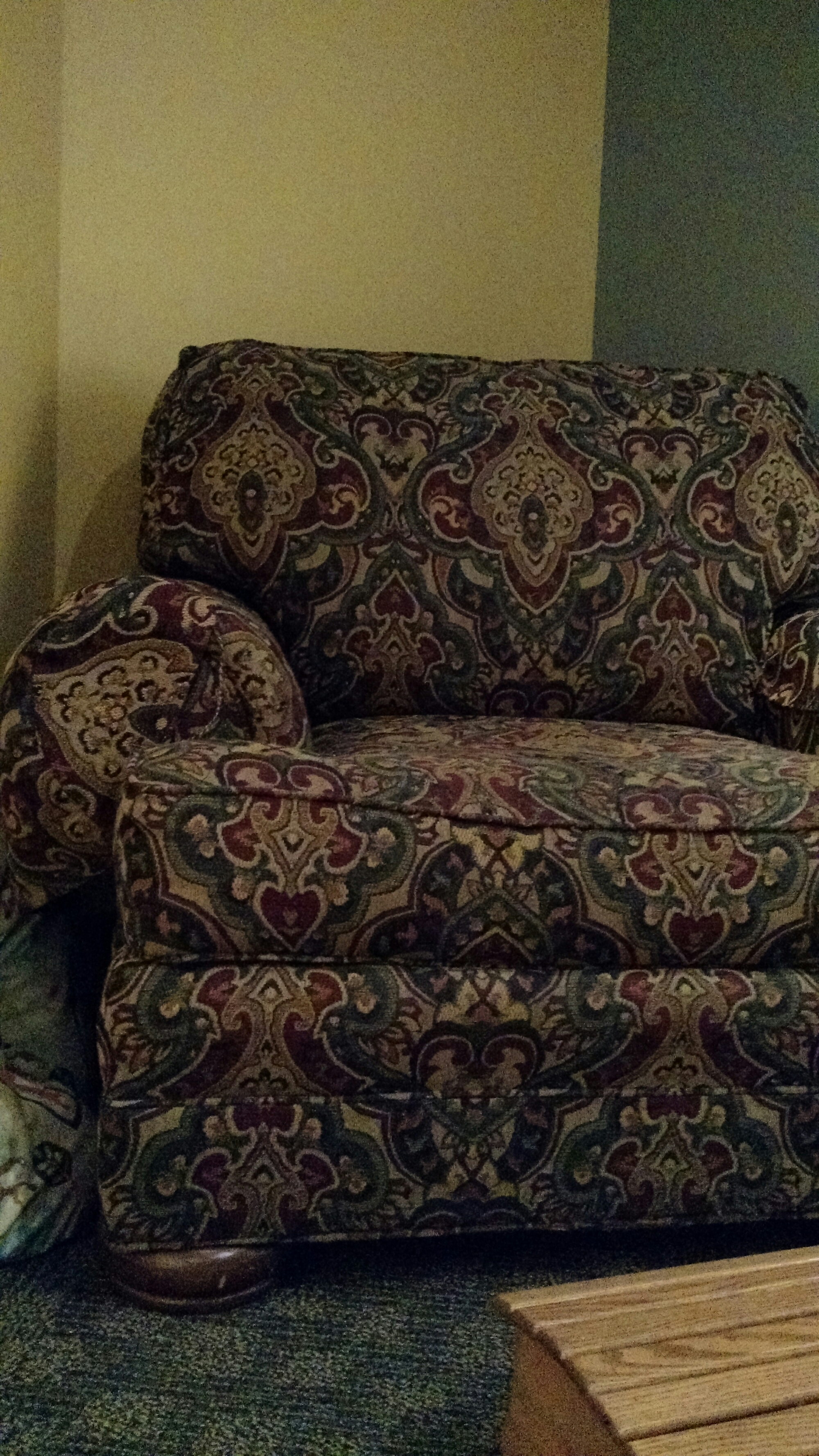
imageThis is not just a chair, it was one of the most welcome sights in the Maryland Science Center. Tucked in a corner of the baby/toddler area it was comfortable, had a footstool and a “Boppy” pillow nearby.

I have nursed my babies in cafeterias, on benches, on the floor in an unobtrusive corner, in family bathrooms and in my car. It is do-able, but I wouldn’t call it fun. Being able to sit comfortably, in an area where I knew no one was going to glare at me for nursing in public just made the whole day easier.

Not every museum is able to have a dedicated baby-care area, but it is worth taking a look. Do you have space for a chair or bench? A clean place (meaning not the bathroom!) where you can offer privacy when requested? Moms have a right to nurse anywhere, but that doesn’t mean we would turn down a comfortable spot if one was available!

Small gestures like this go a long way to building good relationship with families. They will come back, they will spread the word to their friends that you are welcoming. These are repeat visitors (and future donors!) that you are cultivating.

Posted in Kids in Museums, Uncategorized | Tagged , , , , , | Leave a comment

Snow Day Bingo

Snow day bingo helps kids think of fun activities to do an "earn" TV time

Snow Day Bingo

My 3.5 year old loves to watch TV. I don’t blame him, I like it too. But it can make things tricky when we are stuck inside.  “Can I watch TV? No? WHEN can I watch TV?” Put that on repeat and you end up with frustrated parents AND kids. Since there is a potential “historic snowstorm” coming this weekend, we are going to try something new…..Snow Day Bingo

We brainstormed a list of activities, including some that we don’t do all the time. Everything from building a fort to playing with the kinetic sand and reading books. I made sure there were plenty of active/moving choices (obstacle course, playing outside) and “helper” options (cleaning up the playroom, reading to his baby sister). I also tried to mix things that we could do together and things that would encourage him to play on his own (for our benefit as much as encouraging skills in that area).

On a large piece of paper I drew up a 6×6 grid and filled in all the options. To “earn” some TV time (or a chance to play on the IPad…a real treat) he will have to fill in a whole row of activities. By putting the active and helper choices down the diagonal it makes sure that every row has at least one from those categories.

I’ll be interested to see if I need to add a time requirement to the activities. I could see him picking his smallest puzzle, racing through it and saying “done.” I’m not going to start out with that, but might add it in if necessary.

This could be a total bust, but he has responded well to reward charts in the past and this is a twist on that. Wish us luck! I’ll update you after the snow……


image

Posted in Early Childhood Education, Uncategorized | Tagged , , , , , , | Leave a comment

Nature Walk Made Simple

Getting children outside to experience and learn from nature doesn’t take a lot of tools or preparation…it doesn’t even take a lot of nature. It mostly takes time, questions and a willingness to get a little messy.

What shouldn’t stop you is not having the answers. If you can answer the questions they ask, that is great.  If not, that is more then ok too.  You can tell them you don’t know and observe together, make a guess and then think about where you could go to find the answer. Just getting them outside and looking and thinking about what they see lays a foundation of science knowledge that I would argue is as critical as having the “right” answer.

Below are images from around our very suburban neighborhood that my 3 year old, 5 month old and I explored the other day.  This nature walk can be adjusted/replicated anywhere you can find a patch of grass, or a tree or some clear sky.

If you want to brush up on types of questions you can ask, look for information about questions based on Bloom’s Taxonomy. I found one good link here but I’m sure there are many others!

image

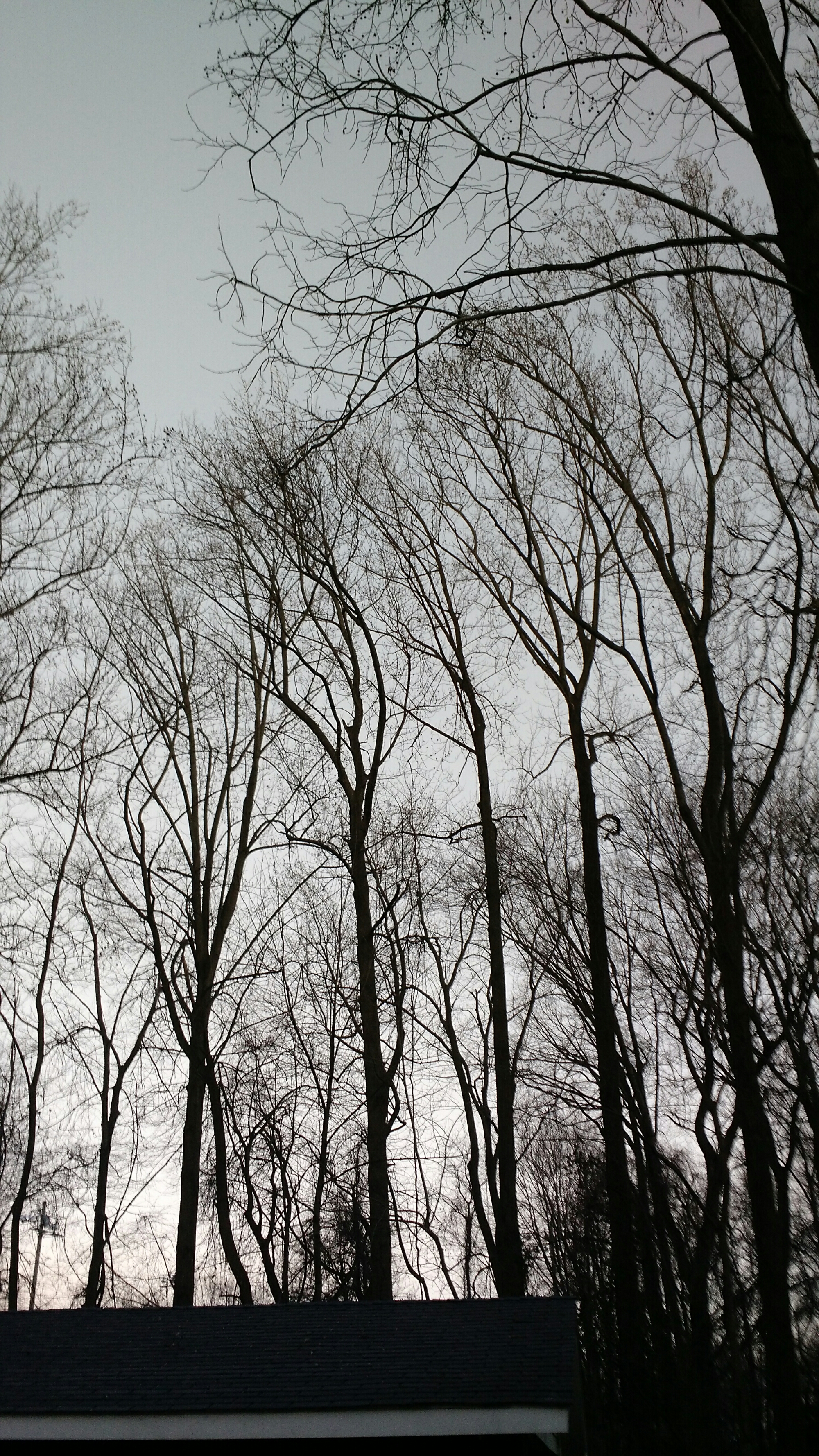
Wow! Look at all the colors in the sky! What ones do you see? What do you notice about the trees? Do you see any animals? What kind of animal would you want to be? Where would you want to live?

image

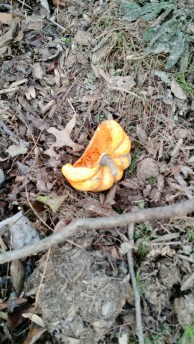
Woah! What is that? What happened to it? Do you think something ate it? Is it starting to rot? What do you think it would look like if we came back in a month?

image

Look at all these lines! What do you think they are from? What happened to this branch, why is it off the tree? What do you think is under it? What is that next to it? Do you know what a pinecone’s job is? Why are some leaves green and some brown?

image

What is that! Did an animal make it? What is it used for? Does it look like someplace you might want to live? If you could design a house for an animal, what would you make?

image

Look at that, what shape is it? What does it look like it is made of? How is it clinging to the branch? What do you think lives there? Do you think that when we are out in nature we should touch/take things we find or just look? Why?

image

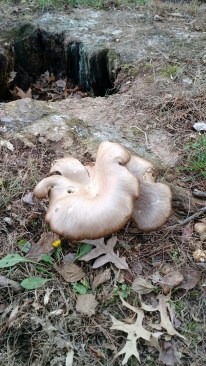
What do you think this is? How big is it? What color is it? What else can you describe about it? Where is it growing? Are there any other plants that are similar? What is that behind it? How could we find out what it is?

Posted in Early Childhood Education, Museum Fun at Home, Uncategorized | Tagged , , , , , , | Leave a comment

New Years Resolution

SarahErdmanAsking for help is not my forte. When it comes to my job (both Cabinet of Curiosities and stay-at-home Mom) I feel like I shouldn’t inconvenience anyone or else, what? I don’t deserve to work? I shouldn’t have any of my own interests? Written out in black and white it is pretty ridiculous but that’s how I feel most days.

I was able to squeak by with that attitude when I just had one kiddo at home (especially once he started preschool). Once that baby came along that got unsustainable really fast. I was trying to workshop plan as I nursed, stack shaky Jenga towers of phone calls and appointments when they would (supposedly) be sleeping and staying up later then I intended to.

This morning, after my 7:30am dentist appointment (so no one was late for work/school) I was facing down the prospect of waking the baby so I could get the older one to preschool and wondering how I’d get anything done after canceling the rest of her morning nap.

“Call (our neighbor)” my husband insisted. “Ask if he can ride to school with her.” I instantly had a thousand reasons that would inconvenience her, or upset our son or…I don’t know…something. “They go to the same school, they live in our neighborhood. It isn’t even out of her way. Call her.” And he was right of course, this wonderful neighbor had already offered many times to drive our son to school, why hadn’t I already called her? Maybe I didn’t want to be a bother, maybe I was like a toddler and wanted to “do it MYSELF!”

But I did call her, and I kissed my son as he happily left for school and the baby was able to sleep and I was able to work. I hadn’t made a New Years resolution yet, but I think it just found me. It is to ask for help more and not be afraid of leaning on my “village.” For me, it may be harder then committing to the gym 3x a week, but I’m going for it.
Posted in Cabinet of Curiosities-Updates | Tagged , , , , , , | Leave a comment

5 Minute Object Lesson: Secret Pizza Party

image

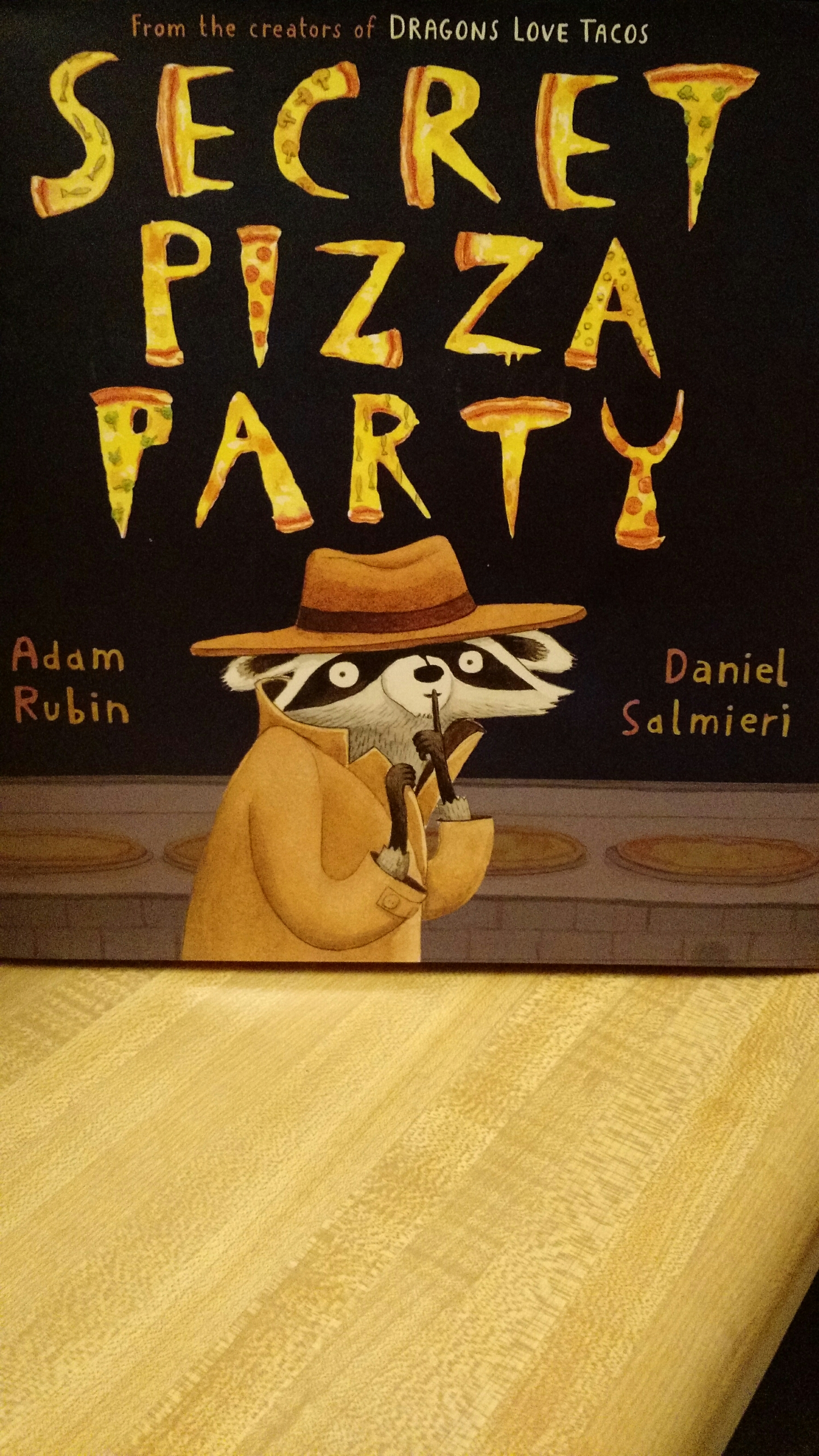
Of all the presents under the tree, the one that has brought the most giggles is the book “Secret Pizza Party” by Adam Rubin and Daniel Salmieri.

After just a few readings we were all craving pizza but we couldn’t just have a plain old pizza dinner… we needed a secret pizza party dinner!

Make-Your-Own-Pizza night is a staple for many families, adding in just a few elements turns it into a great math lesson.

* We created a simple graph with the names of everyone eating and available
toppings. The 3yr old took all the orders and plotted them on the graph

image

* Cooking is full of measuring! We also had to make sure we matched up the right toppings based on our graph and divided up the dough.

* Setting the table not only reinforces counting but also has one-to-one correspondence, since each chair gets one napkin and one set of silverware

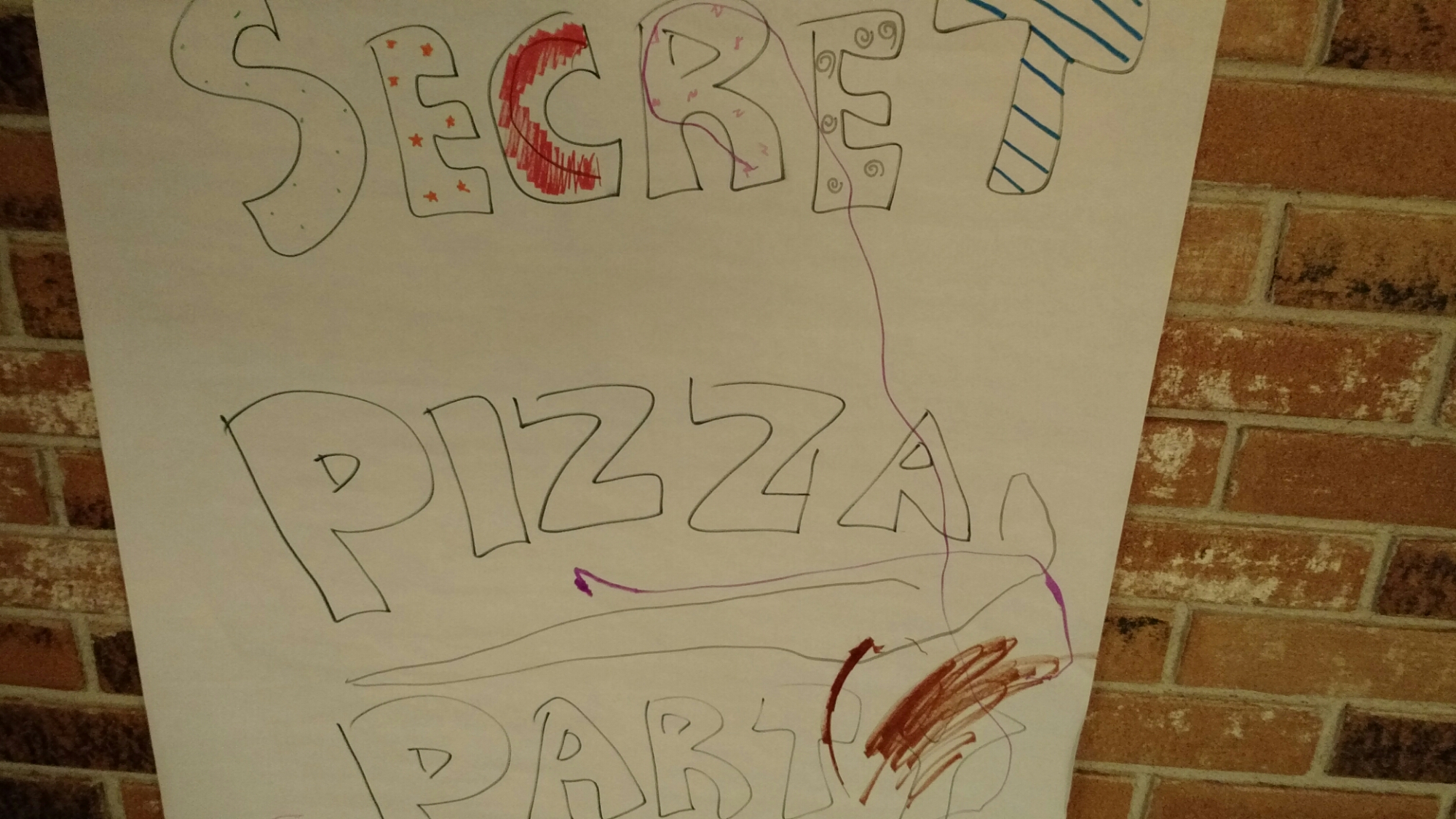
Besides all the math built right in, you can also have fun literacy elements. We made a sign for our party and, of course, read the book together. You could do place cards or ingredient lists or anything else to make your party special.

Of course, the best part (besides finally satisfying that pizza craving) is how proud the little chef is as they announce that dinner is ready and they “cooked it themselves.”

Enjoy! Watch out for raccoon sniffing broom-bots (you’ll get it when you read the book!)

image

Posted in Early Childhood Education, Museum Fun at Home | Tagged , , , , | Leave a comment

Red- Michael Hall

image

Most education articles and books focus on how to help kids understand difficult concepts in concrete age appropriate ways.

Sometimes though, it is the adults who need that even more.

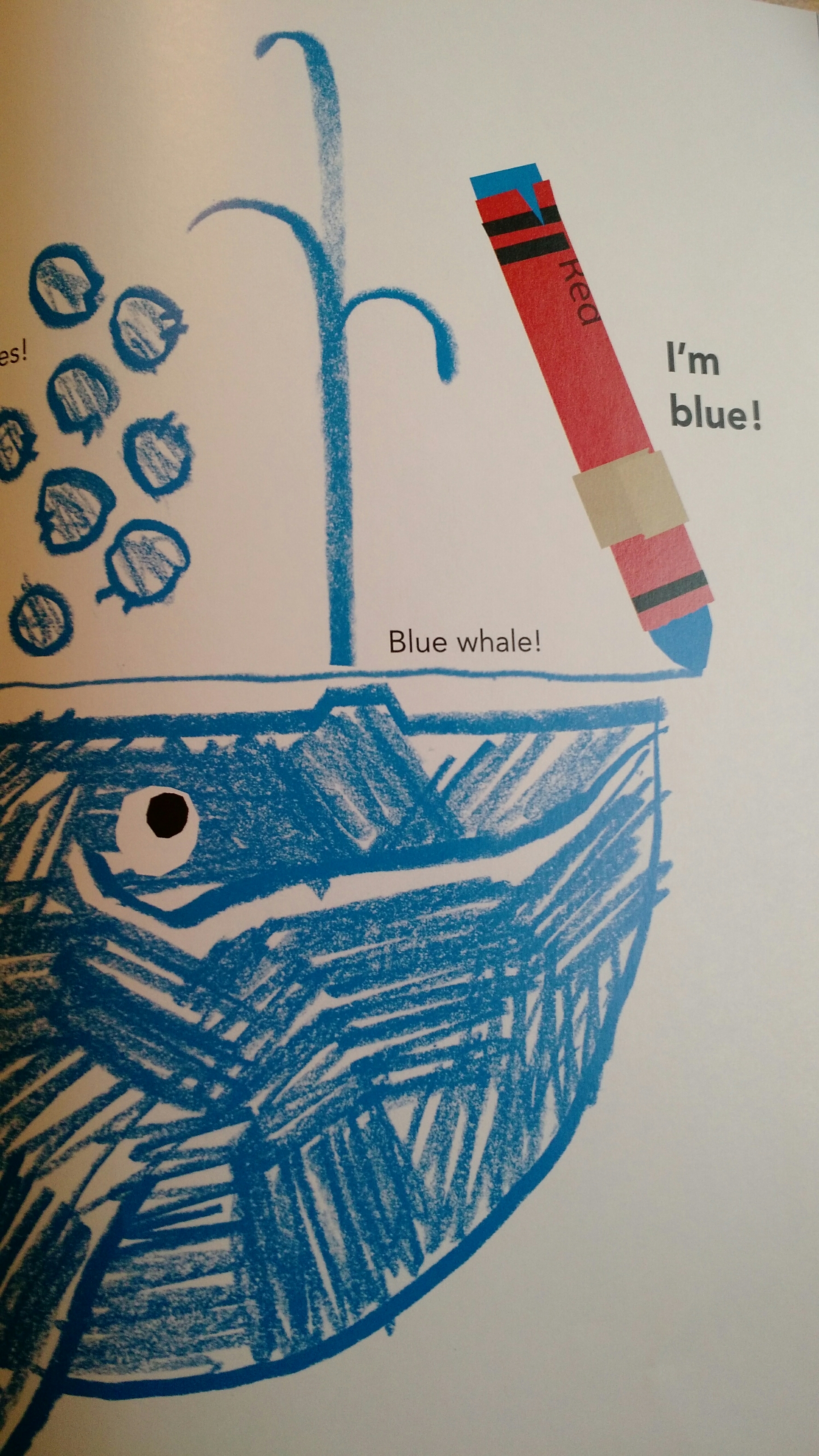
“Red” by Michael Hall is a clear reminder that every child is different and has different abilities, but endless potential when those abilities are tapped the right way. It is also spells out for us that the role a child is born into may not be who they truly are.

I first heard about the book through a Facebook post by Momastery (I am working to find the link). It inspired me to check out the book with my 3yr old and I was so impressed that he found a copy under the Christmas tree.

I think this book should be required reading for anyone who wants to work with young children. We need these reminders that if children aren’t living up to our expectations… then we should take a good hard look at what we are asking if them
image

Posted in Early Childhood Education | Tagged , , , | Leave a comment

Just Ask

The holiday season is here, kids are off from school and a lot of us are going to holiday parties or traveling to see friends and family.  Packing up the kids is never easy, they just seem to come with a lot of stuff! Not only that, but there is a lot of planning based on where you are headed. Some you may guess (“Hm, safe bet they aren’t baby-proofed, better plan for that”) and some you might ask (“Do you guys have any pets?”)

When you are asking the host/hostess about pets, food allergies or other needs please add in one more question “Are there any unlocked guns where the children will be playing?”

The question doesn’t come naturally to me, it sticks in my throat every time I am setting up a playdate at a new friends house…but it is important. Many houses have guns, and many of those are unlocked and only “hidden” where the owners think children can’t find them.  The thing is, kids are curious and resourceful and it is better to assume they will find it.  Also, no matter how much you coach kids to leave guns alone, their brains just aren’t developed enough to trust that the lesson will stick in the right moment.

You aren’t asking to pass judgement on gun ownership….you are asking to make sure your kid is safe in their surrounding. If more of us asked, and it became as natural as asking if anyone has an allergy, think how much we could reduce unintentional shooting deaths of children.

For more information visit the “Keep Kids and Families Safe” page of the Brady Campaign.

Posted in Blog, Early Childhood Education | Tagged , , , , , , , , | Leave a comment

Meeting Your Own Museum Needs

AAM2013 039Since my kids came along, I have grown accustomed to the different pace they set for our day. Places for lunch are analyzed for quick food delivery, activities are weighed against nap and bedtime schedules and time for “grown up” interests are planned for when family is visiting or a babysitter can come.

I’m ok with this, usually. Today I realized though that almost all of my museum visits in the last three years have been for the benefit of my son. I pick the place, but it is with the idea of joint enjoyment in mind and his needs set our schedule. Letting him help set the pace and keeping up with food/rest needs makes sure that we don’t end up carrying him out of there in tears.  However, it leaves little time for me to enjoy seeing anything.

I hadn’t noticed it before today. We went to the National Aquarium, a place I haven’t been to in years, and he was racing down the ramps flashing past every tank. The farther we got the more frustrated I was getting. “You were talking so much about seeing the sharks, if you want to see them you actually have to stop and look!” and, in my head, “Why did we pay money to come here, we should have just gone to a mall with a ton of escalators.” Add to that a baby who was overstimulated and crying in the front carrier and I didn’t peek into a single viewing window.

When we got to the dolphin area they were out and very playful, but he was hungry and wanted to GO. On the outside I was responsible Mom “OK, let’s bathroom and get some lunch.” but on the inside I was stamping my feet and shrieking “But, I WANNA SEE THE DOLPHINS!”

That was the truth of it. It wasn’t the money we’d paid, or the fact that he wasn’t spending time looking, it was the fact that MY museum needs weren’t being met. I think of museums as a family adventure, something we do together. But, as a museum-loving person, it makes sense that I want to experience it my way occasionally too.When the kids are with me, operating at their pace is better for everyone. But why couldn’t a museum be the plan when I get “me time?” Some people want to read a book or get their nails done, I want to wander an exhibit at my own pace. Something to remember the next time I have a kid free afternoon


Posted in Uncategorized | Leave a comment

5 Minute Object Lessons

Galimoto“Object based learning” sounds like such a buzzword. Maybe it brings to mind a really complicated lesson with a lot of moving parts, or a super unique object that the child has never seen before.

Sure, you could do it like that, but you don’t have to.  Really, all it means is that you put an object at the center of what you are learning about.  Any object, no matter how seemingly mundane, as long as it helps illustrate your point.

This method works because kids are such concrete learners and having a “thing” that they can center their exploration around helps them to tie it all together. It can also be a springboard for more abstract ideas as they build (or scaffold- another great education term) new learning off of it.

In grad school one of our first assignments was a “5 Minute Object Lesson” (5MOL for short).  You had to pick an object and get up in the front of  the class and teach about it for five minutes. There were some pretty memorable ones, like the classmate who taught us the PROPER way to peel a banana!

I hadn’t thought about that 5MOL in years, until I noticed that my son and I were doing our own version. He will bring me something, or ask a question, and we delve into it briefly but thoroughly so he feels like he “gets” it, then he is off on something else.

These 5MOLs are perfect object-based learning experiences on a small scale. Not only does it keep it from being this overwhelming task for you to create, it also lets you follow the child’s lead and jump on little learning opportunities that come up.

For example……

We were watching Sesame Street and the “Global Grover” segment was about his visit to South Africa and learning about galimotos (the video segment can be found here) My son was fascinated so I checked out the book “Galimoto” by Karen Lynn Williams. After reading it he wanted to see pictures of all different kinds of galimotos and try to make his own (we used pipe cleaner since that was what I had on hand).

Not a complicated set-up, but he gained an appreciation for what a galimoto was, and how hard it is to make one, through exposure to an object, a book and some media (video/pictures). If I wanted to extend it even farther, we could go visit that Natural History Museum and see the galimotos they have on display.

Instead of being overwhelmed by the idea of incorporating objects into your child’s learning, think about how it could happen on a more concentrated, specific level. You’ll be surprised all the places it will take you!

Keep checking back for more sample 5MOLs!


Posted in Early Childhood Education, Museum Education, Museum Fun at Home, Uncategorized | Tagged , , , , , , , , | Leave a comment